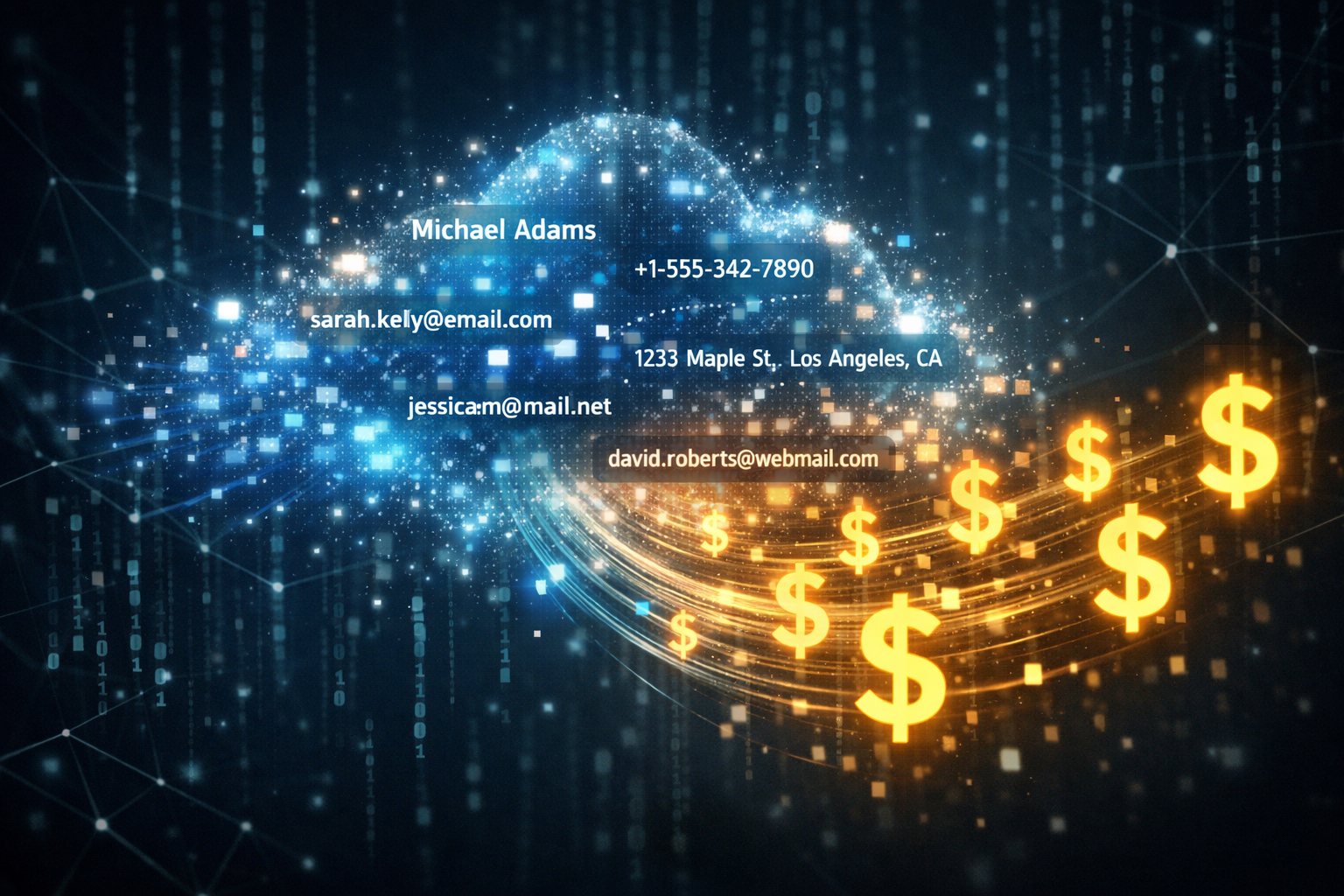
Strange Spam Calls and Texts
I’ve been getting spam calls and text messages for the past five years, and it’s only gotten worse recently. Most of these messages are obviously scams (at least to me), claiming I won a $5,000 lottery or offering a “remote job.” Before five years ago, the only calls or texts I ever got were from people I actually knew.
In 2021, I received a letter from T-Mobile, notifying me of a data breach that affected me as a customer. That year, spam calls and strange scam texts started showing up almost immediately. Over the next few years, they kept getting worse. Eventually, I was receiving 2–3 spam calls and texts every single day.
I started questioning how these scammers even got my phone number. I don’t randomly share it with anyone except my cell phone service, insurance company, federal or state services, work, banks, and other entities I pay bills to. I even deleted my phone number from Google accounts, social media accounts, and anything else I didn’t absolutely need it for.
Social Media Isn’t as Private as You Think
If you use LinkedIn, go to Settings & Privacy → Profile Information → Personal Demographic Info. You’ll see questions about things like:
- Racial/ethnic identity
- Sexual orientation
- Disability status
- Year of birth
- Whether you’re an unpaid primary caregiver (LinkedIn is low-key asking if you have children)
- Military background
LinkedIn claims this helps improve user experience and identify potential bias. But in the fine print, they also say they may use your age and gender to show relevant ads. In other words, they may be selling your personal information to third-party marketing companies.
This made me realize that even seemingly legitimate companies like LinkedIn or your cell phone service are collecting and selling your personal information. Because of that, I’m now extremely wary of giving any personal details like my name, birth date, home address, or phone number to any business, even when they promise they won’t sell it.
How I Discovered My Entire Life Online
I kept wondering why I was getting spam calls and texts every day. I asked ChatGPT, and it suggested my phone number may have been obtained from people search sites like Whitepages or Spokeo by scammers.
I went to Whitepages and typed in my name and location. I was absolutely shocked to see my entire life story on my profile:
- Full Name
- Age
- Phone number
- Home address
- Relatives
- Job title and years in the position
- Past addresses and phone numbers
I was utterly disgusted. This information could easily be used by criminals for stalking, spamming, or identity theft. I even questioned whether it’s legal for a people search company to sell personal information for a fee without the person’s consent.
What People Are Saying About Whitepages
I checked Reddit to see what others thought about Whitepages. Here are some comments that stood out in response to an original poster asking Reddit users how Whitepages gets their personal information. These comments have been edited slightly for clarity.
Comment #1:
“Public records, phone books, credit card companies, etc. If you’ve ever signed up for home internet or a cell plan under your real name, you can be sure that your information has been leaked or sold (*see the AT&T breach). If you’ve ever had a background check or signed up for a credit card, your information has likely been sold—sometimes even passed around between data brokers.
There are just too many companies nowadays looking to make a quick buck off your data. Each website has its own method, but you’ll have to contact the website itself, and sometimes they will only remove your ‘free’ data.”
I actually had the same experience with T-Mobile’s data breach. I was affected in 2021, and soon after, I started getting spam calls and texts. This comment really aligns with what happened to me. Utility providers, credit card companies, insurance companies, financial institutions, and even your own employer could share your personal information with a third party—for example, when performing a background check—and that third party could then sell your data. So, I certainly wouldn’t be surprised if this were true.
Comment #2:
“Lmao welcome to the internet. The White Pages have been around forever. There are multiple sites, some even more invasive.”
There are many other people‑search sites as well, not just Whitepages. Some of the more well-known ones include Spokeo, BeenVerified, Intelius, TruthFinder, and PeopleFinder, but there are dozens more out there. Each site collects slightly different types of personal information, from phone numbers and addresses to email addresses, age, relatives, and even employment history. While some offer “free” basic searches, most make money by selling detailed background reports or premium subscriptions. This means that once your information is out there, it can easily spread across multiple sites, making it very difficult to control who sees it.
Comment #3:
“The phone company used to drop off printed white pages (and yellow pages for businesses) at your doorstep every year. You had to pay extra for an unlisted number.”
Comment #4:
“Hell, I wonder if younger people now would freak watching the original Terminator movie. ‘What? He just picked up a phone book and found the home address for every woman named Sarah Connor?’”
Comment #5:
“My advice to the OP is to poison your data. In other words, lie, lie, and lie some more. Every account I have has bogus information attached. The physical addresses are bogus. The phone numbers are burners created with even more bogus information. Hell, not even my financial institution has my true address. Instead, they have a bogus address and a burner phone number on file.
Accounts are really easy to open when you don’t have to interact with a human. No, I’m not going to tell you how I dealt with the equivalent of your Social Security number, but if there’s a breach, they won’t get that either. Sites like Whitepages aren’t going anywhere anytime soon, so it’s up to you to create your own privacy and take back your data.”
I can understand not having to provide your real name or birth date when creating a non-essential account like Facebook. However, there are some essential places—like banks or insurance providers (for cars, homes, or boats)—where you can’t bypass giving your SSN or some form of identification. So, I really don’t know how this person managed to open bank accounts without providing personal identification. In the digital world we live in, it’s virtually impossible to avoid giving up your true identity.
Comment #6:
“I’m just remembering the not-too-distant past when everyone would get a book delivered to their door listing everyone’s name, address, and phone number.
If you really want to lose your mind, order a full LexisNexis report on yourself. You’ll get a lot more details about yourself—and even your roommates and neighbors.”
Comment #7:
“Think that’s bad? Try the Cyber Background Checks site. All you need is a phone number, and you can get the person’s full name, current address, past addresses, names of their relatives, etc. This actually works. It’s all public records.”
Comment #8:
“It’s an old and outdated system that dates back to the days before the internet, when everyone had landline telephones. Phone books listed everyone’s name and phone number (and, I think, their address as well), making it easy to find someone’s number to call. The government also releases public records, which include people’s phone numbers.
But today, we live in the age of the internet, fraud, and scams, and scammers, criminals, and stalkers are using the White Pages to their advantage. The system is outdated, and the government isn’t doing anything about it.”
A Brief History of Whitepages
The modern Whitepages website was founded in 1997 by Alex Algard. He started building an online database of contact information as a hobby. Over time, it grew far beyond the simple concept of the printed phone book.
Traditional white pages were alphabetical phone directories delivered to households, listing names, addresses, and landline numbers. Whitepages online now aggregates phone numbers, addresses, emails, public records, and commercial data into real-time searchable profiles — raising serious privacy concerns.
Whitepages does offer an opt-out option, but some users report it can be difficult to use. Some people may feel uncomfortable providing their phone number to the same company that collected their personal data in the first place.
How People Search Sites Get Your Information
People search sites and data brokers collect personal info through:
1. Public Records
- Property ownership
- Marriage and divorce records
- Professional licenses
- Voter registration
2. Web Scraping
- Scanning social media, blogs, resumes, and public web pages
3. Purchased Marketing Data
- Buying data from loyalty programs, online retailers, or survey companies
4. Third-Party Data Sharing
- Receiving feeds from other brokers to create extensive profiles
5. Fake Job Postings
- Some scam postings collect info through surveys or quizzes
What Personal Data Is Stored
Depending on the site, you might find:
- Full name, address, phone numbers
- Email addresses
- Age, date of birth
- Relatives and associates
- Employment history
- Criminal records
- Property and asset data
- Online usernames and social links
Some sites also offer “premium” background reports for a fee.
Your Rights and What You Can Do
There is no single federal “right to privacy” law covering all personal data in the U.S. Some laws apply to specific data types (credit, health, children’s data), but people search sites operate legally under current law.
You can try to opt out, but public records like voter registration, court records, and property records may still be included. You cannot completely remove your information from databases.
How to Limit Your Digital Footprint
Even careful consumers can’t completely avoid data collection, but you can reduce exposure:
- Don’t enter your real name, birthday, address, or phone number unless necessary (especially for non-financial accounts).
- Limit online shopping accounts.
- Don’t apply for multiple credit cards or loans.
- Avoid loyalty programs, surveys, and sweepstakes.
- Be wary of online job applications asking for unnecessary surveys or quizzes.
- Keep personal details off social media and use private settings.
- Avoid posting resumes with phone numbers or addresses.
- Use a credit freeze to prevent new lines of credit.
- Use separate email accounts for finances, shopping, and promotions.
Remember: much of your data comes from public records, so even the best precautions won’t completely eliminate exposure.
Why Government Isn’t Stopping This
Consumer advocacy groups are pushing for stricter regulations:
- In 2024, the Consumer Financial Protection Bureau (CFPB) proposed rules restricting companies from selling sensitive personal data.
- The rules aimed to expand Fair Credit Reporting Act protections for data brokers.
- The proposal faced political pushback and was withdrawn. Data brokers actively lobby to block privacy legislation.
Some states, like California, are passing laws such as the Delete Act, allowing residents to request that data brokers delete personal information. Starting in 2026, Californians can submit a single deletion request to cover hundreds of brokers
Consumer Advocacy Groups Fighting Data Brokers
Several organizations lobby governments and push for stronger privacy protections:
- EPIC (Electronic Privacy Information Center): Pushes for federal privacy laws and limits on commercial data collection.
- EFF (Electronic Frontier Foundation): Advocates digital civil liberties and transparency, investigating potential violations by data brokers.
- Privacy Rights Clearinghouse & Center on Privacy and Technology: Focus on policy reforms and consumer protections.
The core demand is simple: companies should get explicit consent, allow deletion of personal info, ban sale of sensitive data, and create public registries of data brokers.
U.S. Privacy Laws Are in Stark Contrast to EU and UK GDPR Protections
Unlike the United States, the European Union has a comprehensive privacy law called the General Data Protection Regulation (GDPR), which took effect in 2018. This law gives individuals more control over their personal data and requires companies to clearly explain how they collect and use that information.
Under GDPR, people have several important rights, including the right to access their personal data, correct inaccurate information, and request deletion of their data (often called the “right to be forgotten”). Companies that violate these rules can face very large fines.
The United Kingdom follows a similar framework through the UK General Data Protection Regulation and the Data Protection Act 2018. These laws require companies to be transparent about how they handle personal data and give individuals more control over their information.
Because of these regulations, companies operating in Europe generally face stricter rules on collecting and sharing personal data than companies in the United States.
So why hasn’t the United States done the same to protect Americans’ sensitive data? I think we know why.
Final Thoughts
It’s scary and upsetting to realize how our personal data is profitized by companies we never even heard of. The fact that sensitive information about our lives could easily fall into the hands of criminals, scammers, or stalkers is deeply concerning. What makes it even more troubling is that most people have no idea this industry even exists until they suddenly find their personal details exposed online. Meanwhile, data brokers spend millions of dollars lobbying against stricter privacy laws, which is one reason federal and state protections remain limited.
At the same time, it is important to remember that most of this system operates quietly in the background of everyday life. Every time we open an account, apply for credit, sign up for a service, or fill out an online form, pieces of our personal information may end up in marketing databases or data broker networks.
Now that we know how personal data is handled by some companies—even government agencies or our own workplaces—we should be more cautious about what information we share. While it may be impossible to completely remove ourselves from the system, we can still take steps to reduce how much of our personal information is available online. Reducing your digital footprint and minimizing the amount of personal information you disclose is one of the most practical ways to take back some control over your privacy.
The reality is that our personal data has become a product. The more we understand how it is collected and sold, the better we can protect ourselves in the future.
Sources and References
Reddit – Whitepages Needs to Be Shut Down
Wikipedia – Whitespages (Company)
Federal Register – Protecting Americans from Harmful Data Broker Practices
Politico – Privacy Bill Triggers Lobbying Surge by Data Brokers
Leave a Reply